The Guardian · US news · Original story
Turn on, tune in, cash out … The US right used to fear psychedelics. Now it wants to sell them | Kojo Koram
Hallucinogens have come a long way from the 60s counterculture to Trump’s White House – propelled by veterans’ lobbying and Silicon Valley capital
Kojo Koram’s new book, The Next Fix: Winners and Losers in the Future of Drugs, is out on 4 June
On 13 May 1966, a US Senate subcommittee questioned a former Harvard clinical psychologist, considered by many to be “the most dangerous man in America”, on the risks of psychedelics. Leading the inquisition of Dr Timothy Leary was Senator Ted Kennedy, of America’s unofficial first family. Amid a series of questions that reflected the moral panic about psychedelics then gripping the US establishment, Kennedy asked: “This is a dangerous drug – is that right?” To which Leary replied: “No, sir. LSD is not a dangerous drug.” Kennedy remained unconvinced. To the committee of politicians listening to Leary, psychedelics were behind the hippy movement, anti-war protests and the general breakdown of society.
Earlier this month, almost exactly 60 years after this tense inquiry, Ted Kennedy’s nephew Robert F Kennedy Jr stood behind Donald Trump as he signed a new presidential executive order to accelerate mainstream access to medical treatment based on psychedelic drugs. A particular focus is ibogaine, a psychoactive compound derived from a West African shrub, which scientists suggest can be effective for treating chronic mental-health problems. Kennedy Jr has been the champion of psychedelics within the Maga coalition, alongside figures such as the podcaster Joe Rogan, who stood beside him in the Oval Office on 18 April. Rogan described to the press how he had encouraged the president to sign the executive order over text message.
Kojo Koram is a professor of law and political economy at Loughborough University. His new book, The Next Fix: Winners and Losers in the Future of Drugs, is out on 4 June
Continue reading...
Kojo Koram · Tue, Apr 28, 2026, 7:00 AM
US news | The Guardian
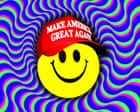
Hallucinogens have come a long way from the 60s counterculture to Trump’s White House – propelled by veterans’ lobbying and Silicon Valley capital
On 13 May 1966, a US Senate subcommittee questioned a former Harvard clinical psychologist, considered by many to be “the most dangerous man in America”, on the risks of psychedelics. Leading the inquisition of Dr Timothy Leary was Senator Ted Kennedy, of America’s unofficial first family. Amid a series of questions that reflected the moral panic about psychedelics then gripping the US establishment, Kennedy asked: “This is a dangerous drug – is that right?” To which Leary replied: “No, sir. LSD is not a dangerous drug.” Kennedy remained unconvinced. To the committee of politicians listening to Leary, psychedelics were behind the hippy movement, anti-war protests and the general breakdown of society.
Earlier this month, almost exactly 60 years after this tense inquiry, Ted Kennedy’s nephew Robert F Kennedy Jr stood behind Donald Trump as he signed a new presidential executive order to accelerate mainstream access to medical treatment based on psychedelic drugs. A particular focus is ibogaine, a psychoactive compound derived from a West African shrub, which scientists suggest can be effective for treating chronic mental-health problems. Kennedy Jr has been the champion of psychedelics within the Maga coalition, alongside figures such as the podcaster Joe Rogan, who stood beside him in the Oval Office on 18 April. Rogan described to the press how he had encouraged the president to sign the executive order over text message.
Kojo Koram is a professor of law and political economy at Loughborough University. His new book, The Next Fix: Winners and Losers in the Future of Drugs, is out on 4 June
Continue reading...This page shows an excerpt; reporting belongs to the original publisher. Some images or embeds may be omitted compared with the live article.
← More stories · Front page
