The Guardian · US news · Original story
The desperate, failed attempt to keep one Florida district Black
Efforts to consolidate the Black vote here were frustrated, handing the Democratic nomination to a white party insider
A major plot line of the hyper-partisan, mid-decade redistricting arms races – launched at the urging of Donald Trump – has been the elimination of traditionally Black congressional seats in the south. In the midst of that battle, a subplot emerged: a challenge to one of those Black seats from inside the Democratic caucus itself as the veteran congresswoman Debbie Wasserman Schultz, whose own district was splintered, chose to seek re-election in Florida’s 20th congressional district, which had been represented for decades by a Black legislator.
Her candidacy and primary win raise prickly questions about the value of lived experience as a prerequisite for effective representation of minority communities, about how Black Democratic candidates should deal with friendly fire from non-Black opponents, and about internal economic vulnerabilities of so-called Black seats which are in districts where candidates generally raise less money than others.
Continue reading...
Charles M Blow in Fort Lauderdale, Florida · Sun, Oct 4, 2026, 4:00 AM
US news | The Guardian
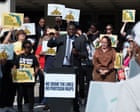
Efforts to consolidate the Black vote here were frustrated, handing the Democratic nomination to a white party insider
A major plot line of the hyper-partisan, mid-decade redistricting arms races – launched at the urging of Donald Trump – has been the elimination of traditionally Black congressional seats in the south. In the midst of that battle, a subplot emerged: a challenge to one of those Black seats from inside the Democratic caucus itself as the veteran congresswoman Debbie Wasserman Schultz, whose own district was splintered, chose to seek re-election in Florida’s 20th congressional district, which had been represented for decades by a Black legislator.
Her candidacy and primary win raise prickly questions about the value of lived experience as a prerequisite for effective representation of minority communities, about how Black Democratic candidates should deal with friendly fire from non-Black opponents, and about internal economic vulnerabilities of so-called Black seats which are in districts where candidates generally raise less money than others.
Continue reading...This page shows an excerpt; reporting belongs to the original publisher. Some images or embeds may be omitted compared with the live article.
← More stories · Front page
